
Operational Summary
The ritual was disrupted and the primary threat neutralized. The unit did not return intact.
Agent SHEPHERD, team lead, was lost during the final engagement when the thing on the other side seized him and pulled him through what looked like an interdimensional portal. Recovery was not possible. His final actions prevented a second fatality. Posthumous recognition is recommended (Section 2).
The team fragmented immediately after insertion and fought most of the engagement in isolation. Surviving operators sustained injuries, equipment losses, and anomalous exposure. Individual assessments follow.
The unit stands down effective upon filing of this report.
1. Engagement Sequence
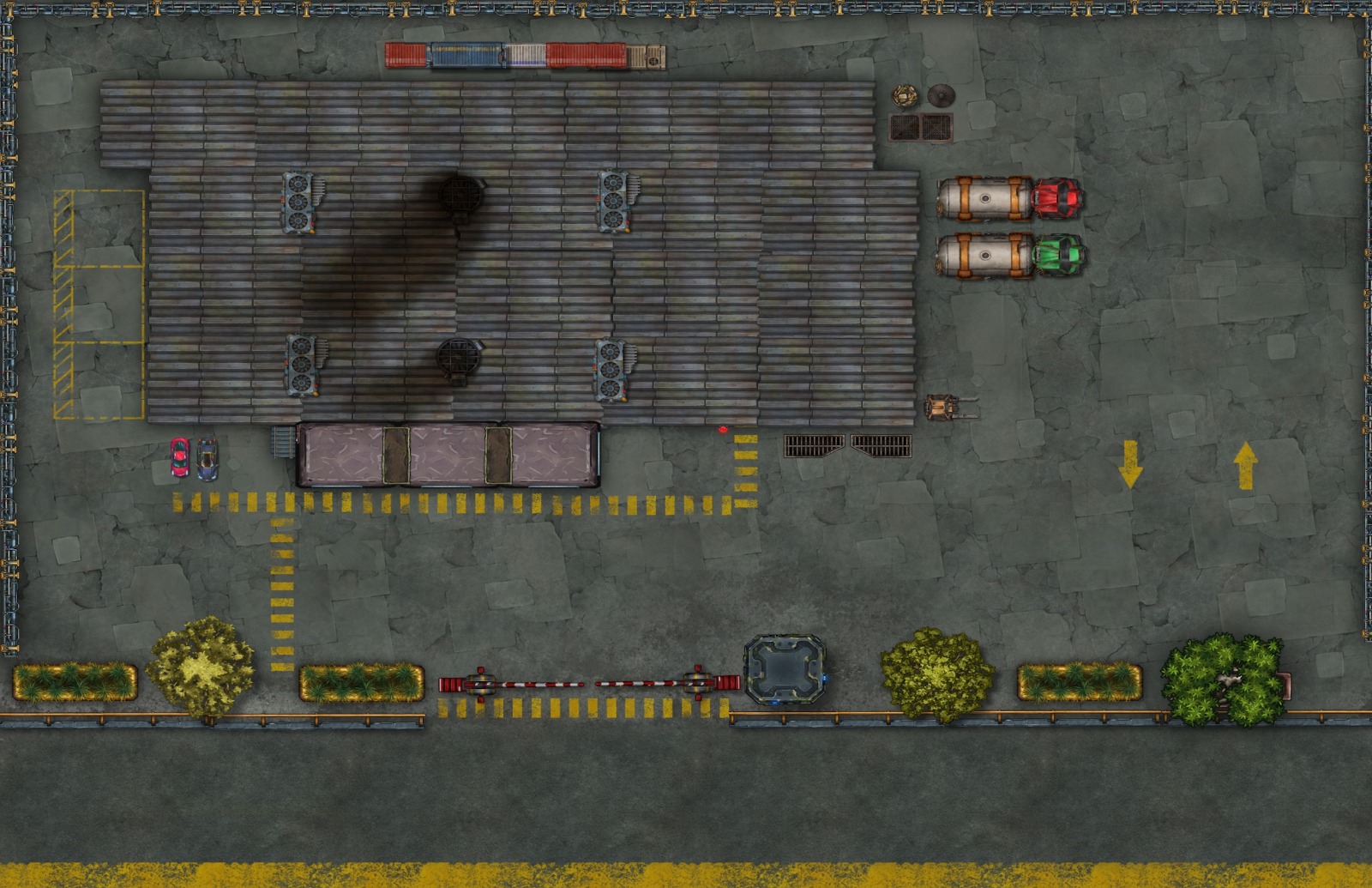
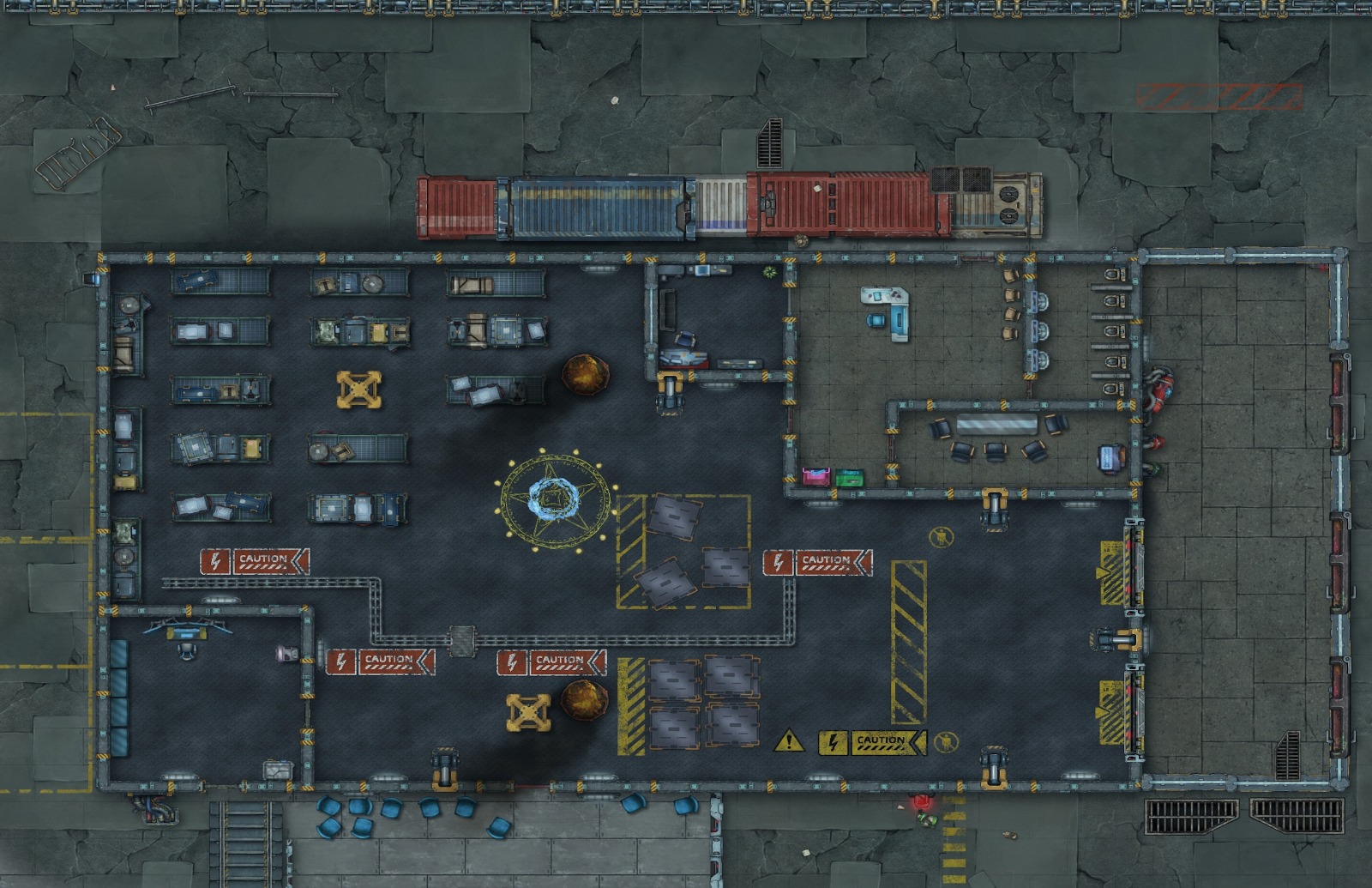
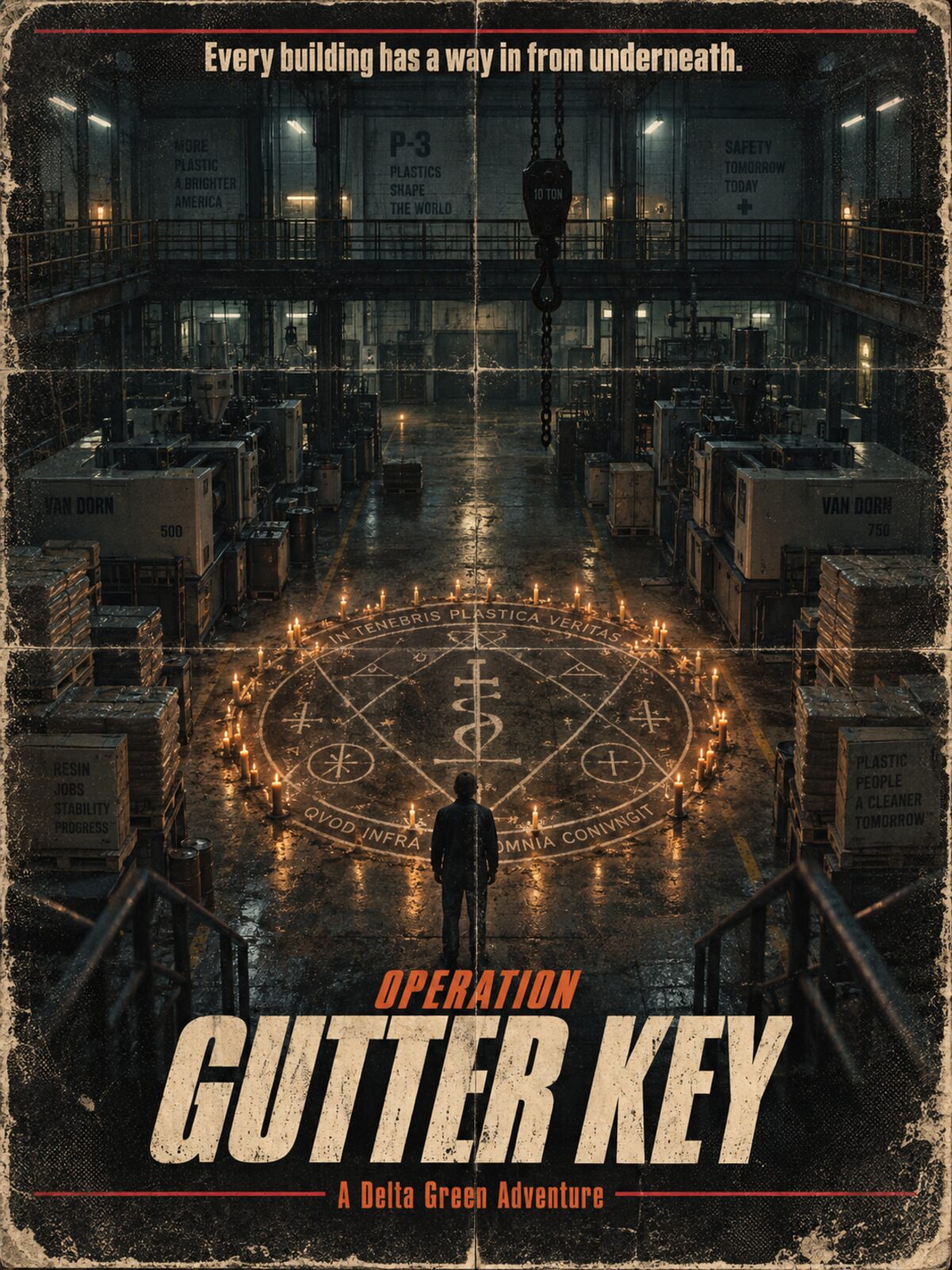
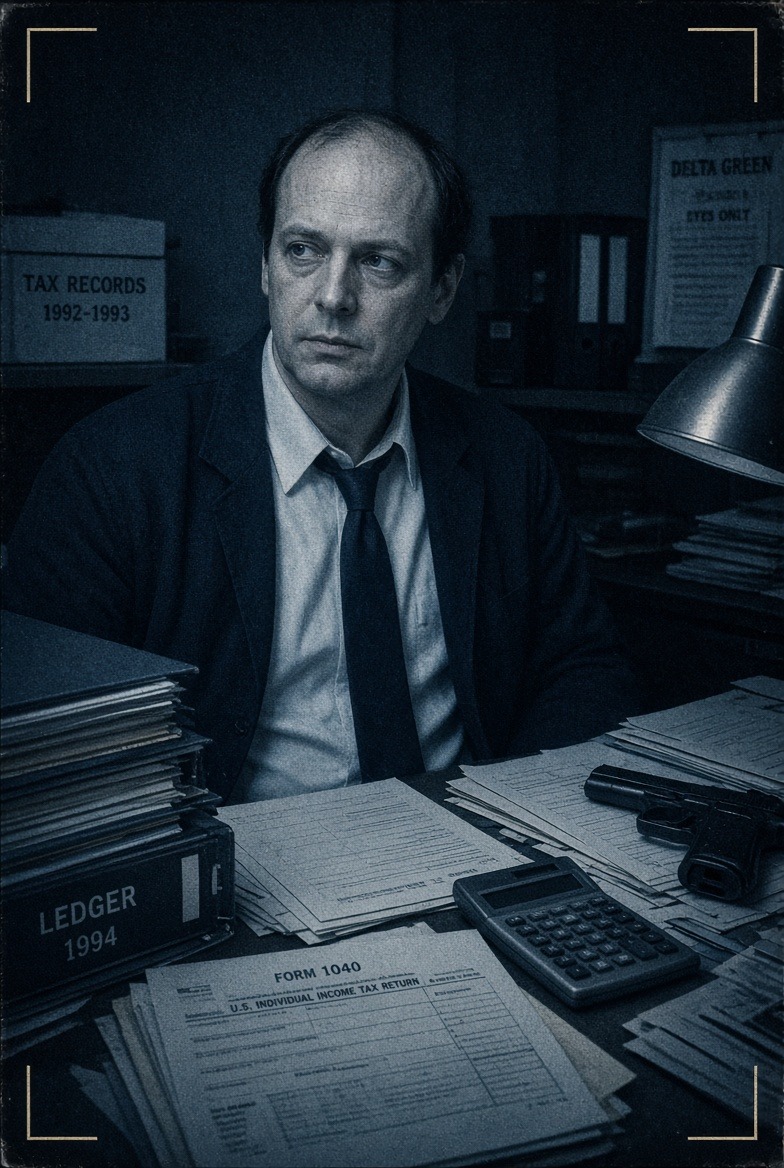
The target was a plastic injection molding facility operating as a shell company. Agent LEDGER identified it from the company's accounts weeks before we moved, having found invoices for resin volumes the plant's own output could not account for.
The unit entered through a disused sewer access. Agent DAEMON held the facility's camera system throughout and cycled the rear door locks as we reached them; without that we would have breached a wall or not gone in at all. Neither agent was on site.
Chanting was audible on surfacing. Agent CODEX reacted to it almost immediately (Section 4). I treated him on site, and the unit separated shortly afterward. Operators engaged largely in isolation from that point on.
Agent BULWARK moved onto the overhead catwalks and attempted to interfere with the ritual infrastructure before fully assessing the engagement area. During the climb his equipment snagged on the railing and a pouch tore open. His knife and a fragmentation grenade fell into the ritual area below. The grenade did not detonate.
I moved to an elevated position above stacked wooden pallets. A guard moved to investigate, fell against an exposed nail, and suffered a penetrating injury to the eye. The incident drew a second guard and temporarily reduced pressure on my position. The guard did not leave the facility. I did, with the same injury.
Agent WRAITH moved through the rear rooms to flank the opposition and became engaged in close combat with a guard. Neither gained a decisive advantage until Agent CODEX intervened and incapacitated the guard with a fire extinguisher.
While Agent WRAITH was engaged, I requested supporting fire from Agent BULWARK. He remained focused on the ritual.
From the catwalk, Agent BULWARK neutralized one of the three ritual participants with a headshot and activated the facility sprinkler system, extinguishing a number of candles associated with the ritual.
I moved against one of the two remaining participants and disarmed her, sustaining a knife wound in the exchange. Two guards then rushed my position and I was forced to withdraw.
Agents BULWARK and SHEPHERD neutralized the two remaining participants from the catwalk. The ritual failed with them. All hostile personnel were killed by the end of the engagement. I cannot attribute every fatality to a specific operator.
2. Team Lead: Agent SHEPHERD
During the final engagement, Agent SHEPHERD joined me above the pallets to observe the ritual and determine how it could be interrupted.
When I moved to engage a ritual participant, Agent SHEPHERD had to choose between assisting me and helping Agent BULWARK, who had lost his footing on the wet catwalk and was at risk of falling approximately six meters into the ritual area.
He chose Agent BULWARK. He caught him before the fall and pulled him back onto the catwalk, preventing what could reasonably have been a second fatality.
The two then repositioned using a suspended chain and continued firing on the remaining ritual participants and on whatever was on the other side as it came through the portal. This brought Agent SHEPHERD into close proximity with it. Something like a tentacle reached through the portal, seized him, and pulled him through.
Status: missing, presumed killed in action. No remains recovered.
I did not witness Agent SHEPHERD's loss. By that point I was withdrawing under pursuit. The account above was relayed to me after extraction by our case officer, based on debriefs of the surviving operators. I have no medical basis on which to declare death, and I am not willing to certify one without remains or a firsthand examination. The presumption rests on the testimony of others, not on evidence I can verify.
Agent SHEPHERD's family was never aware of his involvement with the Program. They have received no explanation. From what I understand, they believe he left them. I recommend the Program consider whether that is the explanation it wishes to leave standing.
His final actions reflected the balance expected of a team leader: he protected a member of the unit without abandoning the mission. I formally recommend posthumous recognition for exceptional courage, leadership, and sacrifice. His death should not be recorded merely as an operational casualty.
3. Agent BULWARK
Agent BULWARK maintained an exceptionally aggressive focus on the primary objective throughout the engagement.
That focus produced results. He neutralized one ritual participant, activated the sprinkler system, and with Agent SHEPHERD neutralized the remaining two, directly ending the ritual.
It also came at the expense of force protection. He declined my request for supporting fire while Agent WRAITH was pinned in close combat. Later, while I was withdrawing from two guards, he deployed a flashbang through the portal, apparently to test its effect on whatever was on the other side rather than against the personnel pursuing me.
I do not question his commitment or his effectiveness against the primary threat. My concern is target fixation, and the point at which pursuit of the objective outweighs reasonable opportunities to protect other members of the unit.
Agent BULWARK and I have unresolved conflict from a previous operation. I cannot exclude personal resentment as a factor in decisions involving me, but I have no evidence sufficient to state it as fact, and I acknowledge that my own interpretation may be shaped by the same history.
The issue should be addressed before we operate together again.
4. Agent CODEX
Immediately after insertion, Agent CODEX was exposed to chanting from the ritual area: a Latin invocation containing heretical and demonological language. By his own account, he began to understand its purpose while listening. His deterioration followed that recognition, not the sound itself.
He presented with acute agitation, disorganized speech, and disorientation to place and time. I observed bilateral otorrhagia consistent with tympanic membrane rupture, although I identified no pressure event, blast, or acoustic source of sufficient intensity to explain it. Pupils were equal and reactive. There was no evidence of head trauma.
I administered 2 mg haloperidol IM to control the agitation. Within approximately ten minutes he was oriented, able to follow instructions, and fit to move with the unit. Hearing loss was apparent but not total. I packed both ears to limit contamination.
His presentation does not match any toxidrome, acoustic injury, or psychiatric episode I am familiar with. I am recording it as an anomalous exposure. The mechanism appears to have been comprehension. Operators with linguistic or occult expertise may be at greater risk than others from similar material, not less.
Despite this, Agent CODEX later intervened in Agent WRAITH's close-combat engagement and incapacitated the guard with a fire extinguisher, resolving a fight that had effectively immobilized a member of the unit.
Follow-up audiological and neurological assessment is recommended prior to any reactivation. Because pharmacological intervention was effective, any future reliance on medication following anomalous exposure should be watched for signs of dependency.
5. Agent WRAITH
Agent WRAITH attempted to flank the hostile position through the rear rooms and became locked in close combat with a guard until Agent CODEX intervened.
During withdrawal, Agent WRAITH and I were pursued together by two hostile personnel. He broke contact and was out of sight within seconds. When I fell, he continued. By his own account, he judged me beyond recovery and left. With two hostiles in pursuit, I cannot say that stopping would have saved either of us. I note that he has been honest about his decision, which is more than this report can say of some others.
In the period since the operation, Agent WRAITH has developed his own methods of coping with what he has seen, consisting of botanical supplementation and certain restorative protocols of a digestive nature. They are unorthodox and fall outside Program-approved guidance. The pattern is new, and new patterns are the ones to watch. They are also, so far, working. With the unit standing down, I can no longer observe him. I recommend he be reassessed before any future deployment, preferably by me.
6. Personal Performance: TRIAGE
I sustained a knife wound to the right arm, near the shoulder, while disarming a ritual participant. Function was preserved and I continued operating.
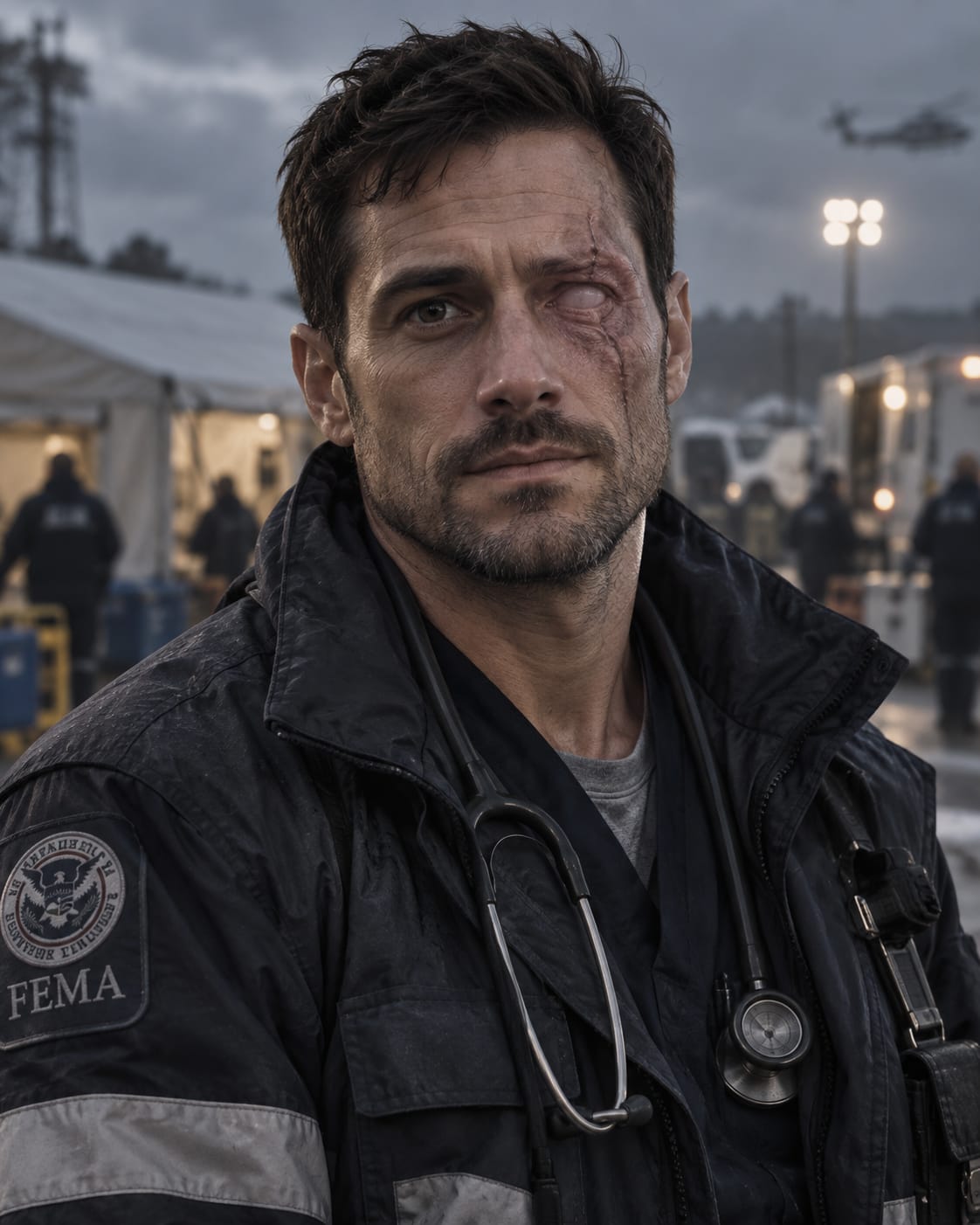
During withdrawal to the extraction point, Agent WRAITH and I were pursued by two hostile personnel. I fell. With rounds striking the surrounding machinery, I was hit in the left eye by a metal fragment and incapacitated. I have no reliable memory of what followed.
I was not among the operators initially extracted. I do not know who recovered me or how. My next clear memory is waking in an unmarked recovery room, no windows, where I was informed that the eye could not be saved and had been surgically removed. No one present was able or willing to tell me how I arrived there. I request that the extraction record be made available to me.
In the absence of that record, I can only consider the possibilities.
Agent BULWARK was the operator closest to the extraction route in the final phase. Given the history between us, I would not have expected him to come back for me. If he did, I owe him an acknowledgment that the rest of this report does not make, and I would prefer to know that before we speak again.
Agent WRAITH has stated that he left me for dead. I have no reason to doubt him. It remains possible that he reported my position on reaching the extraction point, and that someone acted on it. If so, his account is honest but incomplete.
It is also possible that no one from the unit recovered me. The field treatment I received was competent, and the surgery was performed by a team I never met, in a facility whose name I was never given. Whoever reached me first may have arrived with the cleanup crew rather than with the unit. If so, I would like to know what else they recovered from that factory, and why my extraction was not recorded along with it.
The loss is of my dominant eye. Depth perception, target acquisition, and fine procedural work will all be affected, the last of which concerns me more than the first two. My strongest contributions remain medical support, assessment, and keeping personnel alive. This operation showed that those contributions end the moment I cannot protect myself, and that an injury I cannot treat leaves the unit without medical support at the point it is most needed.
The stand-down period will be used to adapt: monocular retraining for clinical procedures, and firearms and close-quarters instruction I should have pursued before this operation, not after it.
7. Paranormal Phenomena
There was what looked like an interdimensional portal above the ritual area for the duration of the engagement. Whatever was on the other side did not fully emerge. Multiple tentacles, or what functioned as tentacles, were observed extending through it. Their scale suggests the source was substantially larger than the portal.
A flashbang deployed through the portal did not detonate. There was no report and no light. It was not seen again.
The chanting was a Latin invocation with heretical and demonological content. Its purpose, to summon the thing the chanting was calling, was apparent to the unit only in retrospect. Exposure produced severe physiological effects in at least one operator (Section 4).
Recommendations:
- treat ritual vocalizations as a direct hazard, and consider hearing protection for operators with relevant linguistic expertise;
- prioritize identifying and disrupting the ritual's physical components; the extinguished candles and the deaths of the participants both appear to have contributed to its failure.
8. Evidence, Equipment, and Scene
Recovered: one bag containing incense, and one sacrificial dagger.
Not recovered: Agent BULWARK's knife and one fragmentation grenade, pin intact, last known location the ritual area.
All hostile personnel and ritual participants were killed. Scene disposition and cleanup are unknown to me; I was incapacitated.
The operation showed that sidearms alone are inadequate for some of the threats we are encountering, and that a single confined insertion point contributed to immediate fragmentation. Future planning should emphasize:
- weapons appropriate to the anticipated threat;
- a rally point at the insertion site;
- maintaining communication after separation;
- mutual support and force protection;
- close-quarters defensive proficiency across all operators.
9. Overall Assessment
The ritual was stopped. Every operator contributed to that outcome, and every operator paid something for it.
Agent SHEPHERD paid the most. He saved a member of this unit, kept fighting, and did not come back. His family believes he abandoned them.
The cost was higher than it should have been.